
A therapeutic bath works best as a repeatable process, not a race. Before starting, ask your veterinarian how often your dog should be bathed and which shampoo fits the diagnosed condition. Bathing frequency and product choice vary with skin barrier health, infection, coat type, other treatments, and the individual dog's response.
Brush loose hair and mats before the bath, then wet the coat thoroughly with lukewarm water. Hot water can increase discomfort, while incomplete saturation keeps shampoo from reaching the skin. Apply the amount directed on the label and work it gently through the coat to the skin, paying attention to paws, armpits, groin, skin folds, and other areas identified by your veterinary team. Avoid the eyes and ear canals.
Contact time matters. Follow the product label or your veterinarian's instructions rather than rinsing immediately. Keep the dog comfortable and supervised while the shampoo remains on the coat. Do not extend contact time or combine medicated products unless your veterinarian has told you to do so; more is not automatically better.
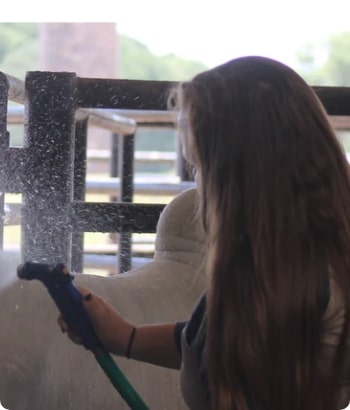
Rinse until the water runs clear and the coat no longer feels slick. Residue can irritate sensitive skin. Pat dry with a clean towel instead of rubbing aggressively, and use only cool or low airflow if a dryer is appropriate. Wash towels and clean the bathing area between treatments when a bacterial or yeast problem is being managed.
Consistency makes the routine measurable. Note the date, product, contact time, odor, redness, itching, and any unexpected reaction after each bath. Share that record at follow-up visits. Call your veterinarian promptly if the skin becomes more painful, develops open sores, produces discharge, or worsens despite treatment. Therapeutic bathing can support a treatment plan, but it does not replace diagnosis or prescribed care.